
The Ultimate Guide to Choosing the Right Travel Baseball Club for Your Child

The Decision That Shapes Your Child's Baseball Journey
It's that time of year again. Tryout flyers are popping up on social media, coaches are making calls, and parents everywhere are asking the same question: "Which travel baseball club should my child join?"
If you're feeling overwhelmed, you're not alone. With hundreds of travel baseball organizations across the country—each promising elite coaching, college exposure, and championship-caliber competition—finding the right fit can feel like searching for a needle in a haystack.
But here's the truth: the "best" travel baseball club isn't necessarily the one with the most trophies or the flashiest uniforms. It's the one that aligns with your child's development needs, your family's values, and your realistic goals for the season ahead.
After talking with countless parents, coaches, and player development experts, we've compiled the definitive guide to evaluating travel baseball clubs. Whether your child is trying out for their first competitive team or looking to make a move to a new organization, these factors will help you make an informed decision.
Start With Your "Why": Defining Your Goals
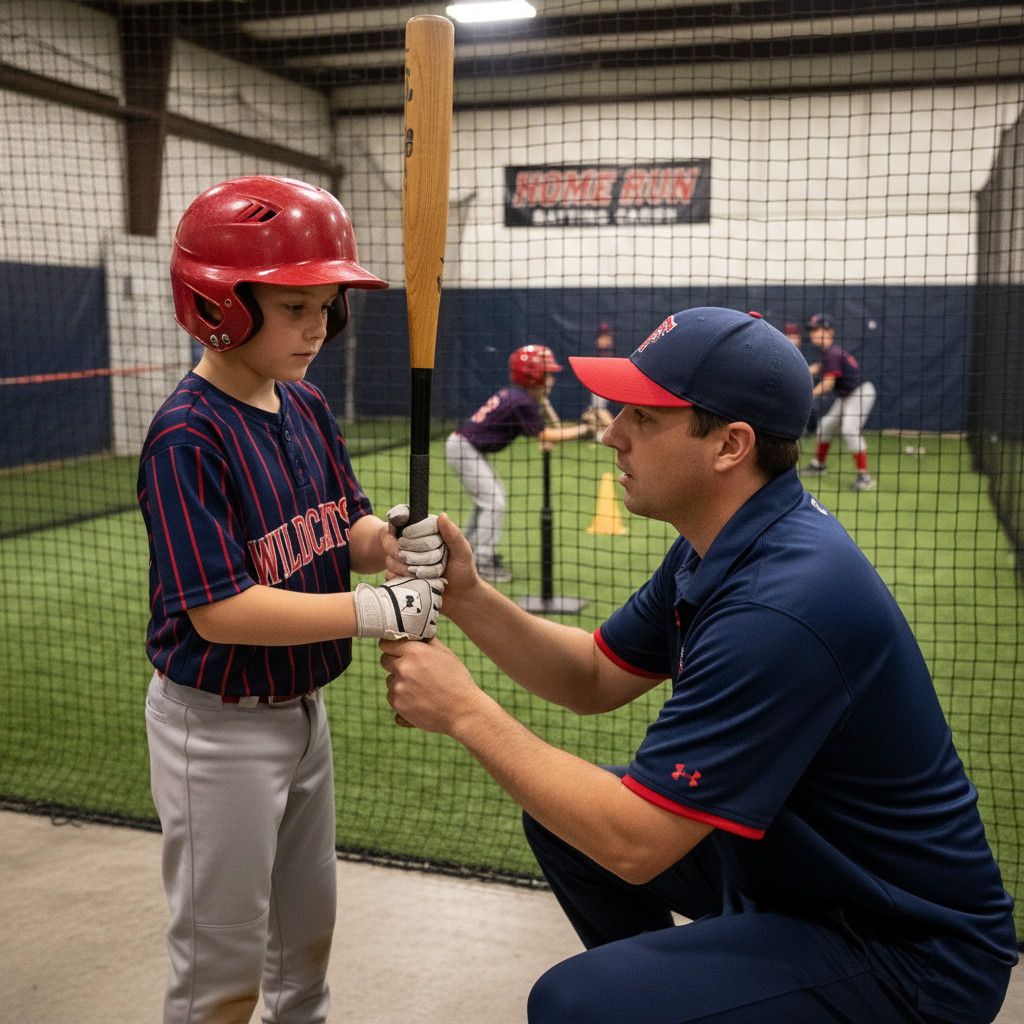
Before you even look at a single club, sit down with your child and have an honest conversation about goals. This isn't about pressure—it's about alignment.
Questions to discuss:
- Does your child want to play baseball in high school? College? Beyond?
- Is the priority skill development, competitive experience, or simply having fun with friends?
- How much time can your family realistically commit to travel and tournaments?
- What's your budget for the season?
A 9-year-old who loves the game but also plays soccer and basketball has very different needs than a 14-year-old laser-focused on earning a high school varsity spot. Neither path is wrong—but joining a club that doesn't match your goals will lead to frustration for everyone involved.
Pro tip: Write down your top three priorities and keep them visible throughout your evaluation process. When you're dazzled by a club's impressive facility or championship banners, those written priorities will keep you grounded.
Coaching Quality: The Single Most Important Factor
Let's be direct: coaching makes or breaks a travel baseball experience. A great coach can transform a modest program into a player development powerhouse. A poor coach can turn even the most talented roster into a frustrating, joyless experience.
What to Look For in Coaches
Teaching ability over playing resume. Many clubs tout coaches who played college or professional baseball. While that experience can be valuable, it doesn't automatically translate to teaching ability. Some of the best youth coaches never played beyond high school—but they've dedicated years to understanding how young athletes learn.
Age-appropriate development philosophy. At 10U, coaches should prioritize fundamental skills, love of the game, and equal playing time. By 14U, more position-specific training and competitive preparation becomes appropriate. Be wary of coaches who treat 11-year-olds like they're preparing for the MLB Draft.
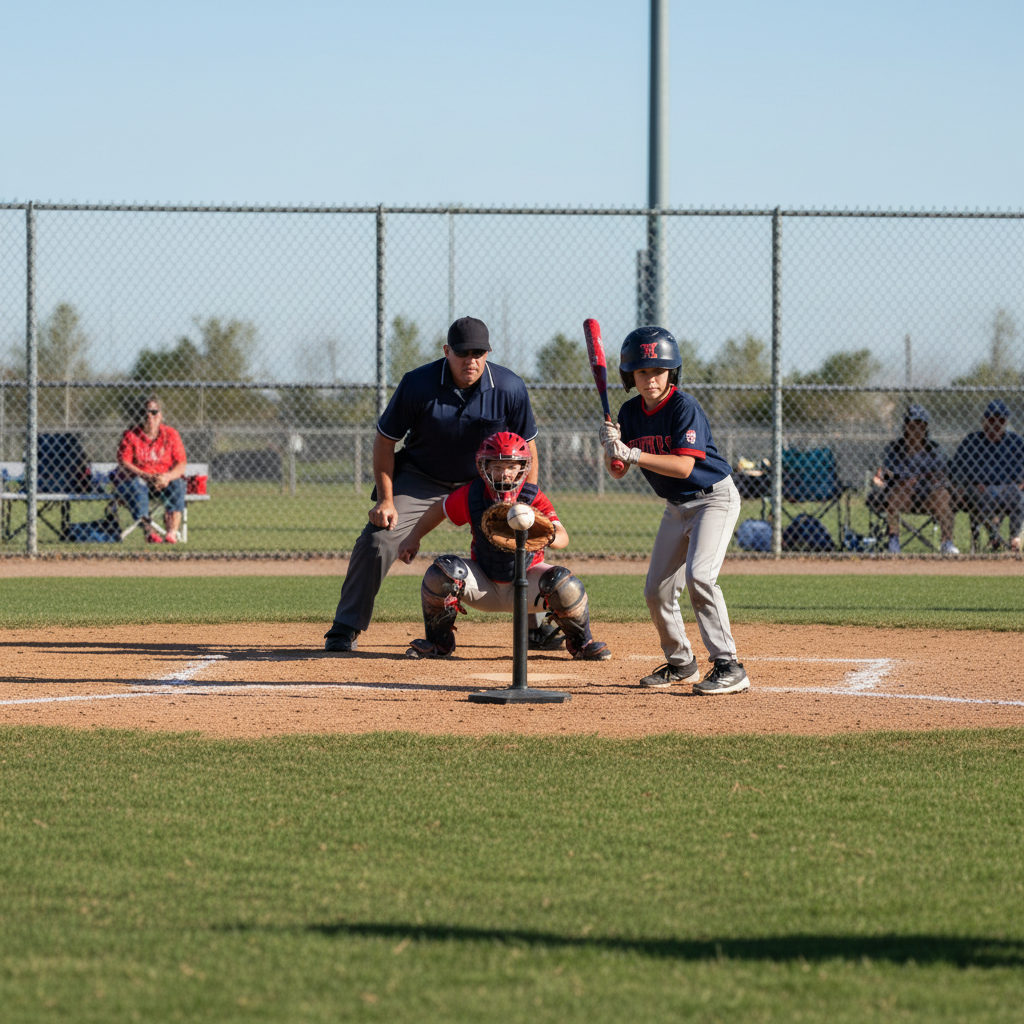
Communication style. Watch how coaches interact with players during practice. Do they offer specific, constructive feedback? Do they maintain composure when players make mistakes? Do players seem engaged and energized, or tense and anxious?
Red Flags to Watch For
- Coaches who yell at players for physical errors (dropped balls, strikeouts)
- Emphasis on winning over development in younger age groups
- Inability to explain their coaching philosophy when asked
- High coach turnover from season to season
- Coaches who are primarily focused on their own child's development
How to Evaluate Coaching
Attend an open practice. Most reputable clubs will allow prospective families to observe a practice session. Watch the entire practice—not just the exciting drills, but how coaches handle water breaks, transitions, and player questions.
Talk to current parents. Ask specifically: "What has your child learned this season that they didn't know before?" Development-focused programs will have parents who can point to specific skill improvements.
Request a conversation with the head coach. A quality coach will happily discuss their philosophy, practice structure, and player development approach. If a coach seems annoyed by your questions or gives vague answers, that tells you something important.
Playing Time Philosophy: Understanding What You're Signing Up For
This is where many families get burned. They join a club expecting their child to play regularly, only to discover their son sits the bench for critical tournament games.
The honest truth: Travel baseball playing time varies dramatically by age group, club philosophy, and competitive level.
Questions to Ask About Playing Time
- What is your minimum playing time policy for regular season tournaments?
- How do you handle playing time in championship games or bracket play?
- How are positions determined? Can players try different positions?
- What happens if my child is struggling—do they get more reps or fewer?
Get it in writing. Reputable clubs will have a written playing time policy. If a club can't or won't provide this, proceed with caution.
Age-Appropriate Expectations
Ages 8-10: Every player should receive substantial playing time in every game. Development and exposure to different positions matters far more than wins.
Ages 11-12: Playing time may become slightly less equal, but every rostered player should still contribute meaningfully in every tournament.
Ages 13-14: More competitive differentiation is normal, but players should understand expectations before the season begins.
Ages 15-16: Showcase and exposure-focused teams may have more variable playing time. This should be clearly communicated during tryouts.
Financial Transparency: Understanding the True Cost
Travel baseball isn't cheap—but the costs shouldn't be mysterious. Before committing to any club, you need a complete picture of what you'll spend.
Typical Cost Categories
Team fees: Most clubs charge a seasonal fee ranging from $1,500 to $5,000+ depending on location, competition level, and included amenities. This typically covers coaching, practice facility rental, insurance, and administrative costs.
Tournament fees: Some clubs include tournaments in the team fee; others charge separately. Expect 8-15 tournaments per season, with entry fees ranging from $300-$800 per tournament.
Uniforms and gear: Budget $300-$600 for required uniforms, practice gear, and team equipment.
Travel expenses: This is often the hidden budget-buster. Hotels, gas, and food for 10+ tournament weekends adds up quickly. Ask clubs for their typical travel radius and tournament locations.
Additional training: Some clubs offer (or require) additional hitting lessons, pitching instruction, or strength training at extra cost.
Questions to Ask About Finances
- What exactly is included in the team fee?
- Are there fundraising opportunities to offset costs?
- What is your refund policy if my child is injured or we need to leave the team?
- Are there additional costs for playoff tournaments or championship events?
- Do you offer payment plans?
Watch for hidden costs. Some clubs advertise low team fees but then nickel-and-dime families with required training sessions, mandatory fundraising purchases, or unexpected tournament additions.
Practice Structure and Player Development Programs
How a club structures practice time reveals everything about their priorities.
What Quality Practices Look Like
Organized and efficient. Players should be active and engaged throughout practice, not standing in long lines waiting for turns.
Fundamentally focused. Even elite 14U teams should dedicate significant time to fundamental skills—throwing mechanics, fielding footwork, swing path.
Position-appropriate training. By age 12+, players should receive some position-specific instruction, even if they're still learning multiple positions.
Game-situation preparation. Quality practices include situational work—baserunning decisions, defensive alignments, two-strike approaches.

Questions About Practice and Development
- How many practices per week, and how long are they?
- What is your typical practice structure?
- Do you have access to indoor facilities for weather cancellations?
- Do you offer additional skill development sessions?
- How do you track and communicate player progress?
Team Culture and Parent Environment
Your child will spend hundreds of hours with their teammates and coaches. You'll spend just as many hours with other parents in bleachers, hotel lobbies, and tournament parking lots. Culture matters.
Evaluating Team Culture
Watch player interactions. Do teammates encourage each other? Is there positive energy in the dugout, even when the team is losing? Do older players mentor younger ones?
Observe parent behavior. Are parents supportive and positive, or do you hear constant criticism and second-guessing? Do parents respect the coaches' authority?
Ask about team activities. Quality programs build camaraderie through team dinners, community service projects, or off-field bonding activities.
Red Flags in Team Culture
- Parents who coach from the stands
- Cliques among players or families
- Excessive focus on individual statistics over team success
- Drama on social media or in team communications
- High player turnover from season to season
Tournament Schedule and Competition Level
The tournaments your child plays in directly impact their development and exposure.
Schedule Considerations
Number of events. Most travel teams play 10-15 tournaments per season. Fewer than 8 may not provide enough competitive experience; more than 18 risks burnout and overuse injuries.
Travel radius. Some clubs stay regional (2-3 hour drives); others travel nationally. Understand what you're committing to before signing up.
Schedule flexibility. Life happens. Ask how the club handles missed tournaments due to family obligations, school events, or other sports.
Competition Level
Appropriate challenge. Your child should face competition that challenges them without overwhelming them. A team that goes 45-0 isn't developing; neither is a team that goes 0-45.
Quality opponents. Ask about the sanctioning bodies and tournament organizations the club participates in. USSSA, Perfect Game, and Travel Ball Select are among the more recognized organizations.
Showcase opportunities. For players 14 and older, exposure to college coaches becomes increasingly important. Ask about showcase events and recruiting support.
Facility Access and Resources
Where your child practices matters for both development and convenience.
Facility Considerations
Practice location and quality. Is the practice facility convenient to your home? Is it well-maintained with quality playing surfaces?
Indoor options. In many regions, weather cancellations are inevitable. Clubs with indoor facility access can maintain consistent practice schedules.
Training amenities. Batting cages, pitching tunnels, and video analysis capabilities can enhance development—though they're not substitutes for quality coaching.
Organization Reputation and Track Record
A club's history tells you a lot about what to expect.
Research the Organization
Years in operation. Established clubs have track records you can evaluate. New clubs aren't automatically bad, but you're taking more of a chance.
Player advancement. Where do players go after aging out of the organization? Do they make high school teams? Earn college opportunities?
Community standing. What do other clubs, umpires, and tournament directors say about the organization? Reputation in the baseball community matters.
Online presence. Check reviews on platforms like RateMyBaseballClub, Google, and Facebook. Look for patterns in feedback—both positive and negative.
Questions About Track Record
- How long has this organization been operating?
- Can you provide references from families who have been with the club for multiple years?
- Where are your former players now?
- What is your coach and player retention rate?
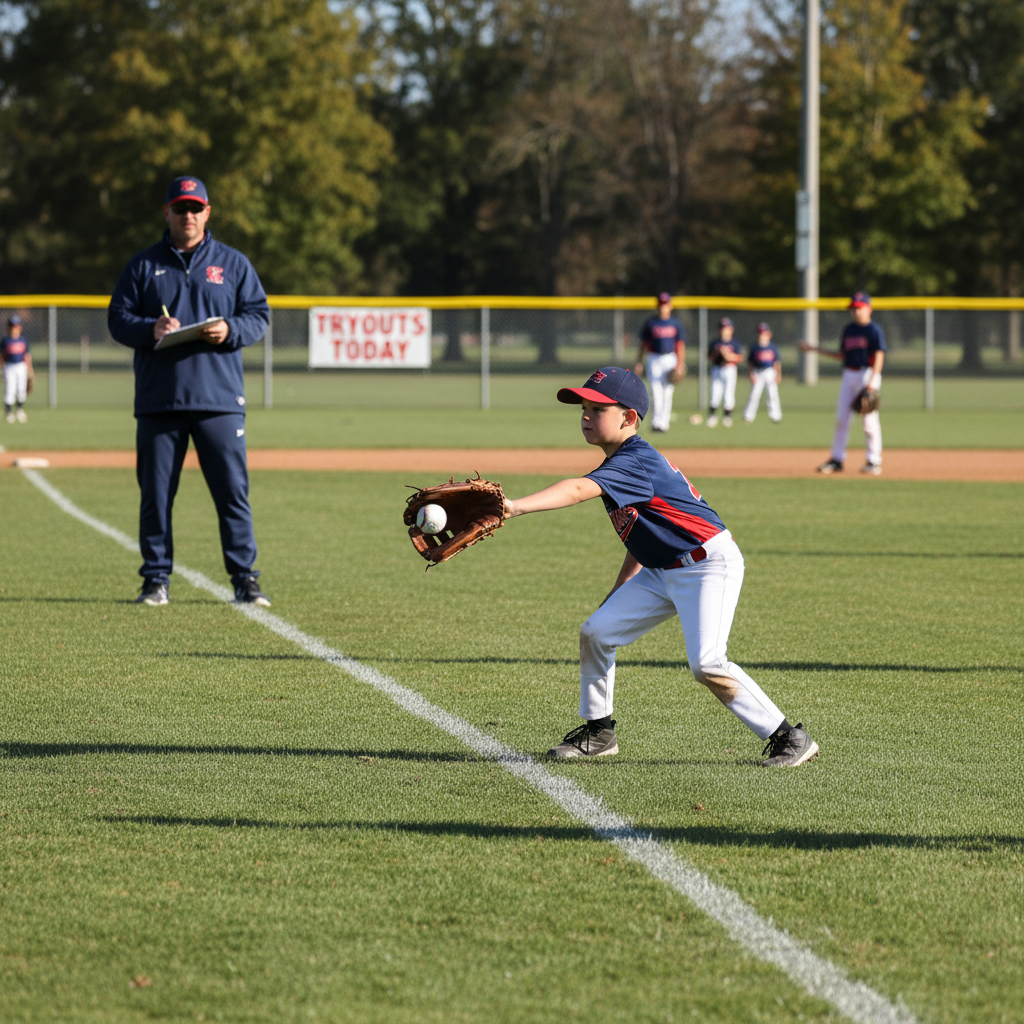
The Tryout Process: What It Reveals
How a club conducts tryouts tells you a lot about their values and organization.
What to Observe During Tryouts
Organization and communication. Was the tryout well-organized? Did you receive clear information beforehand about what to expect?
Evaluation fairness. Are players evaluated on skills and potential, or does it seem like roster spots are predetermined?
Player treatment. How do coaches interact with nervous kids trying out? Are they encouraging and patient?
Parent communication. After tryouts, do you receive clear, timely communication about results and next steps?
Making Your Final Decision: A Checklist
After gathering all this information, use this checklist to compare your options:
Coaching Quality
- Coaches demonstrate teaching ability, not just playing experience
- Philosophy aligns with age-appropriate development
- Communication style is positive and constructive
Playing Time
- Written policy provided and acceptable
- Philosophy matches your child's needs and goals
Financial Fit
- Total costs (including travel) fit your budget
- Fee structure is transparent with no hidden costs
- Payment options work for your family
Development Program
- Practice structure is organized and efficient
- Fundamental skills are emphasized
- Additional development resources available
Culture and Environment
- Team culture is positive and supportive
- Parent environment is healthy
- Your child feels comfortable and excited
Logistics
- Practice location is convenient
- Tournament schedule fits your family's lifestyle
- Competition level is appropriate
Organization Reputation
- Positive track record and reviews
- Strong player advancement history
- Good standing in baseball community
Trust Your Instincts—And Your Child's
After all the research, conversations, and observations, don't underestimate the power of gut feeling—both yours and your child's.
If something feels off about a club, even if you can't articulate exactly why, that's worth considering. If your child lights up talking about a particular team or coach, that enthusiasm matters.
The best travel baseball experience happens when the right player joins the right club at the right time. Take your time, do your homework, and trust the process.

Your Next Steps
Ready to start your search? Here's your action plan:
- This week: Have the goals conversation with your child
- Next week: Research clubs in your area and request tryout information
- Before tryouts: Attend open practices and talk to current families
- After tryouts: Use the checklist above to compare offers
- Before committing: Get all policies and costs in writing
The right travel baseball club is out there for your child. With careful evaluation and clear priorities, you'll find it.
Have you been through the travel baseball selection process? Share your experience and tips in the comments below. And if you've played for or coached at a club you'd recommend (or warn others about), leave a review on RateMyBaseballClub to help other families make informed decisions.